Locksmith8 min read

15 Best Locksmith Logos for Inspiration in 2026

Locksmith logos must project trust and security while being memorable enough for panicked customers to recall during emergencies. The challenge is differentiating from countless key-and-lock designs while maintaining the security imagery customers expect. Modern locksmith branding increasingly emphasizes technology alongside traditional lock-and-key expertise.

By Arek Dvornechuck|Updated February 18, 2026
15 Best Locksmith Logos for Inspiration in 2026

Key Design Elements in Locksmith Logos

Designing a locksmith logo requires careful consideration of several key elements: colors, typography, and symbols. Each of these components plays a vital role in creating a cohesive and impactful design that resonates with the target audience.

Colors are often the first thing people notice in a logo. For locksmith businesses, colors like blue, silver, and black dominate the industry. Blue conveys trust and dependability—think of Medeco’s logo, which uses deep blue tones to project reliability. Silver and gray often represent strength and modernity, mimicking the metallic sheen of locks and keys. Black adds a sense of authority and sophistication, frequently used by brands like Schlage to emphasize durability. Choosing the right color palette can set the tone for the entire brand identity.

Typography is another critical element. The font style should align with the business’s personality. Serif fonts, with their classic and traditional look, are often used to convey timeless reliability—ASSA ABLOY’s logo is a great example. On the other hand, sans-serif fonts offer a modern, clean aesthetic, as seen in Kwikset’s branding. The key is to ensure the typography is legible and complements the logo’s overall design, avoiding overly decorative fonts that might undermine professionalism.

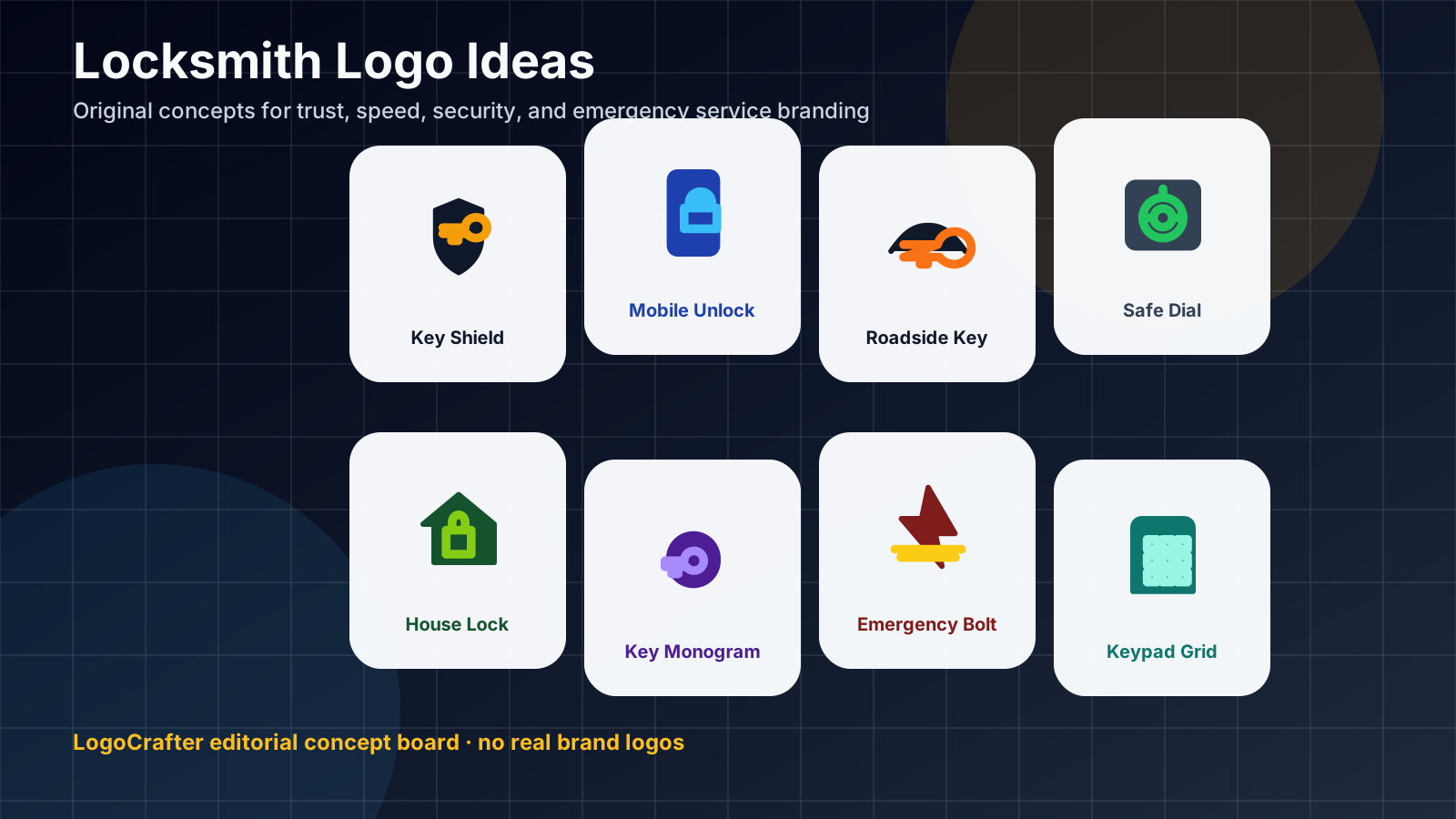
Symbols are the heart of most locksmith logos. Keys, padlocks, keyholes, and shields are popular choices because they instantly communicate the nature of the business. Pop-A-Lock cleverly incorporates a keyhole into its design, while KeyMe uses a minimalist key icon to reflect its tech-savvy approach to locksmith services. These symbols not only make the logo relevant but also help with memorability. When combined effectively, colors, typography, and symbols create a locksmith logo that stands out and builds trust with customers in 2026.

Locksmith Logo Color Psychology

Color psychology plays a significant role in locksmith logo design, as it influences how customers perceive a brand. The right colors can evoke feelings of safety, trust, and professionalism—crucial emotions for a locksmith business. Let’s explore why specific colors work so well in this industry.

Blue is a dominant color in locksmith logos, often associated with trust, reliability, and security. Brands like Medeco use deep blue hues to instill confidence in their customers, signaling that they are a dependable choice for protecting homes and businesses. Blue’s calming effect makes it ideal for a service rooted in safety.

Silver and gray are also popular, representing strength, durability, and modernity. These metallic tones mimic the look of locks and keys, creating a visual connection to the tools of the trade. Schlage, for instance, incorporates gray to emphasize its robust and innovative security solutions. These colors also convey a sense of neutrality, appealing to a wide audience.

Black is frequently used to project authority and sophistication. It’s a powerful color that suggests strength and seriousness—qualities essential for a locksmith. ASSA ABLOY often pairs black with other tones to create a bold, professional look. While black can be striking, it’s often balanced with lighter shades to avoid feeling too heavy or intimidating.

Occasionally, brands like Pop-A-Lock add a pop of color, such as red or orange, to draw attention and convey urgency or energy. However, these are used sparingly to avoid detracting from the core message of security. Understanding color psychology helps locksmith businesses choose a palette that resonates emotionally with their audience, building trust from the first glance in 2026.

Typography in Locksmith Logos

Typography is a subtle yet powerful element in locksmith logo design. The right font can communicate a brand’s values and personality, while the wrong choice can undermine credibility. For locksmith businesses, typography needs to balance professionalism with approachability.

Serif fonts are a popular choice for traditional locksmith brands. These fonts, with their small decorative lines, convey a sense of heritage and reliability. ASSA ABLOY’s logo, for example, uses serif typography to reflect its long-standing reputation in the security industry. Serif fonts work well for businesses aiming to project a timeless, established image.

Sans-serif fonts, on the other hand, are favored by modern locksmith companies. Their clean, minimalistic design suggests innovation and efficiency—qualities that resonate with tech-driven brands like KeyMe. Kwikset also uses sans-serif typography to create a sleek, contemporary look that appeals to a younger demographic. These fonts are highly legible, making them ideal for digital and small-scale applications.

Bold typography is often employed to emphasize strength and security. A thick, heavy font can visually reinforce the idea of protection, as seen in Schlage’s branding. However, it’s important to avoid overly ornate or script fonts, which can appear unprofessional or difficult to read in the context of locksmith services.

Ultimately, the typography in a locksmith logo should align with the brand’s identity while ensuring clarity across all mediums. Whether opting for a classic serif or a modern sans-serif, the font should complement the logo’s other elements, creating a cohesive and trustworthy visual identity for customers in 2026.

Locksmith Logo Design Tips

Creating a standout locksmith logo requires a strategic approach. Here are actionable tips to help you design a logo that captures attention and builds trust in 2026. First, focus on industry-specific imagery. Incorporate symbols like keys, locks, or shields to instantly communicate your services. Look at Pop-A-Lock’s keyhole design for inspiration—simple yet effective.

Next, choose a color palette that evokes security and reliability. Stick to blues, silvers, or blacks, as seen in brands like Medeco and Schlage. These colors resonate with customers seeking safety. Avoid overly bright or trendy colors that might dilute your brand’s seriousness.

Keep your design scalable. Ensure your logo looks sharp whether it’s on a business card or a billboard. Test it in black and white to confirm it retains impact without color—ASSA ABLOY’s minimalist logo is a great example of versatility.

Prioritize legible typography. Whether you choose a serif font for tradition or sans-serif for modernity, make sure it’s easy to read at a glance. Kwikset’s clean font choice demonstrates how simplicity enhances recognition.

Finally, don’t overcomplicate. A cluttered logo can confuse customers. Aim for a design that’s memorable and straightforward, much like KeyMe’s minimalistic key icon. Ready to craft your own locksmith logo? Head over to LogoCrafter.app to design a professional, industry-ready logo in minutes. Our intuitive tools and templates make it easy to create a visual identity that locks in customer trust and stands out in 2026.

Key Takeaways

The best locksmith logos balance security imagery with trust signals, using keys, locks, and shields strategically while finding differentiation. Successful brands like Pop-A-Lock prioritize memorability for emergency recall, while premium brands like Medeco project technical sophistication.

Frequently Asked Questions

What makes a great locksmith logo?

A great locksmith logo projects trust and security while being memorable enough for emergency recall. Use key and lock imagery sparingly—they're expected but clichéd. Focus on creating a name and design that stressed customers can remember when locked out.

What colors work best for locksmith logos?

Blue dominates locksmith branding for its trust associations. Gold and silver suggest keys and premium security. Red can project emergency response urgency but may feel aggressive. Black conveys sophistication for high-security applications. Avoid colors that seem untrustworthy.

Should a locksmith logo include a key or lock?

Key and lock imagery is almost expected but risks being clichéd. If you use these symbols, make them distinctive—perhaps integrate them into typography or use abstract interpretations. The most memorable brands often differentiate through unique names and positioning rather than literal security symbols.

Create Your Professional Logo

Skip the hassle and create a professional logo in seconds with LogoCrafter AI. No design skills needed.

Download LogoCrafter